
Phosphating Chemicals

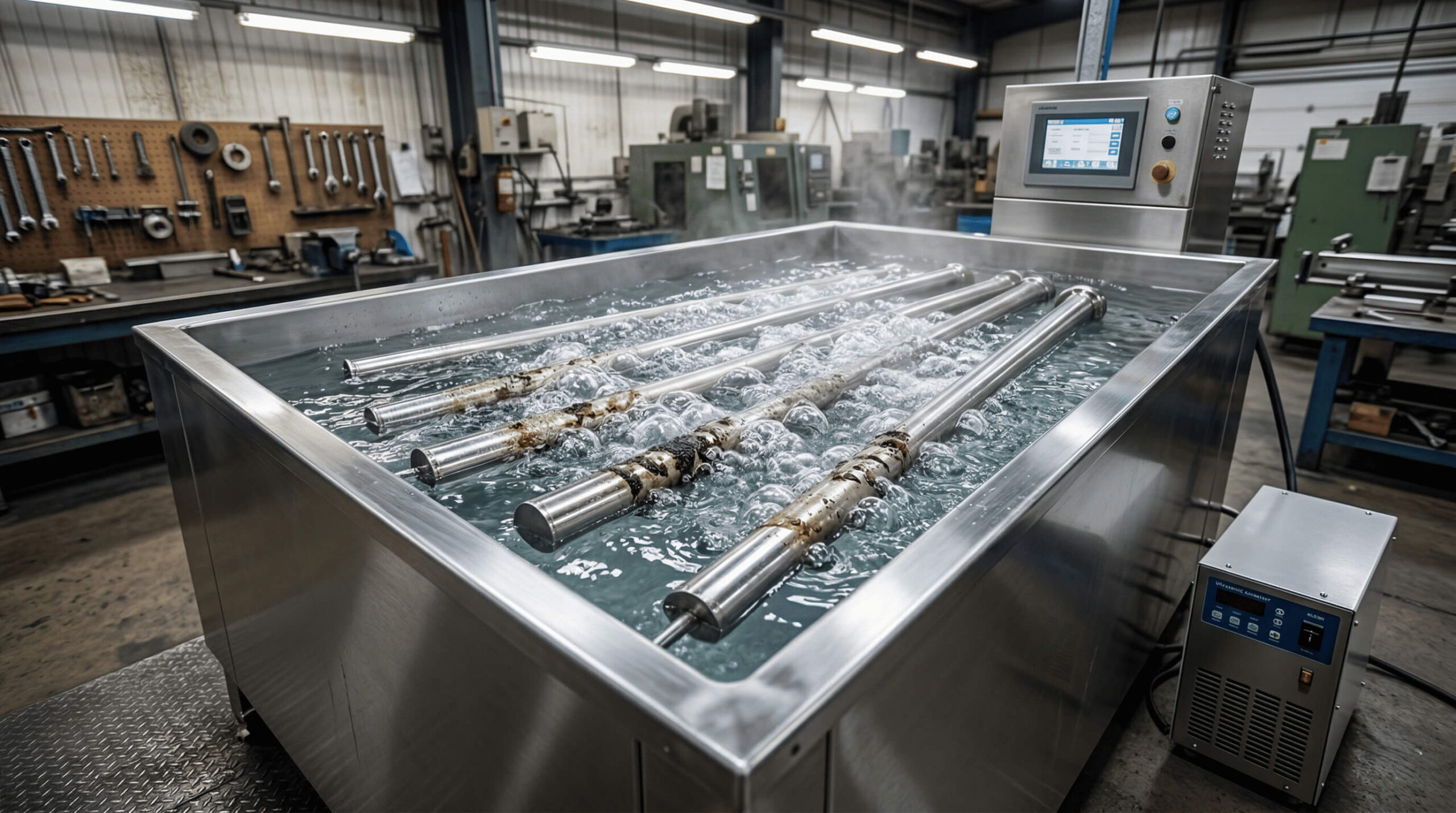
Build a dense, even phosphate layer that locks in corrosion protection and paint adhesion. Our phosphating solutions keep your pre‑treatment line stable, predictable, and production‑ready.

Engineered PhosphateCoatings for Tough Environments

Phosphating converts bare steel into a micro‑crystalline phosphate layer that grips paint, powder, and oil films. It evens out surface reactivity, reduces flash rust, and improves coating life in aggressive field conditions. Our formulations are tuned for multi‑stage spray and dip lines, so you get consistent coating weight with simple, repeatable control.

Why Leading Plants Choose
Our Phosphating Chemicals?

Consistent Surface Quality

Our formulations are engineered to hold coating weight and crystal structure within a tight window, batch after batch.

Stable, low‑sludge baths

Balanced chemistries help control phosphate sludge formation, simplify filtration, and extend bath life.

Fit for modern high‑speed lines

Products are designed for multi‑stage spray and dip systems with high line speeds and complex geometries.

Phosphating 2

How to Use
Our Phosphating Chemicals?

Simple to Implement. Easy to Control.

01

Prepare the line

Charge your tanks with water and set temperature as per your standard phosphating route. Ensure upstream degreasing and rinsing stages are in control to avoid drag‑in and contamination.

02

Make up the bath

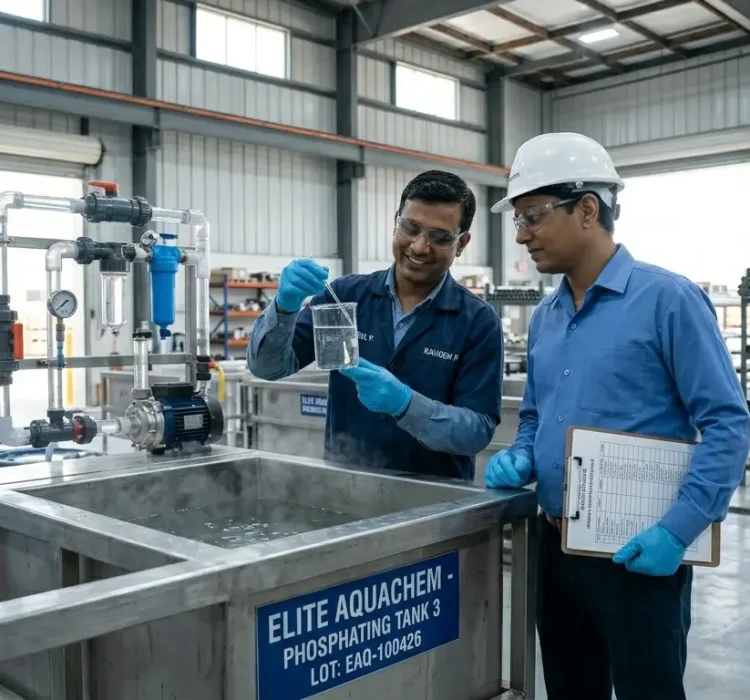
Dose the phosphating concentrate to the recommended percentage while circulating the bath for uniform mixing. Confirm free‑acid, total‑acid, and accelerator values before starting production.

03

Run the process

Load parts under standard line conditions for time, temperature, and spray/immersion exposure. Check that you are achieving the target coating weight and crystal structure on test panels.

04

Monitor and top up

Track acidity and accelerator levels at defined intervals and top up with concentrate and water as required. Remove sludge at planned frequencies to maintain heat transfer and consistent coating quality.

FAQ 1

Frequently
Asked Questions

For general indoor and medium‑duty components, iron phosphating gives a robust base at lower operating cost. For outdoor, automotive, or highly corrosive conditions, zinc or manganese phosphating provides higher coating weight and longer life. Our team helps you map the chemistry to your substrate, finish, and line design.

In most cases, yes. Our products are designed for common pre‑treatment layouts with alkaline degreasing, rinsing, phosphating, passivation, and drying. We review your existing parameters and recommend bath make‑up, control ranges, and minor hardware tweaks if needed.

We work with plant teams during trials, commissioning, and scale‑up to stabilise baths and fine‑tune parameters. Ongoing technical support, bath analysis, and on‑site visits help keep your phosphating step running smoothly as volumes and product mixes change.