Steel wire producers are under pressure to clean faster, reduce rejections, and still meet tightening environmental norms. Clean wires are no longer just a quality requirement; they are a license to operate in export and domestic markets that demand safer chemistry.
Eco‑friendly cleaning chemicals give plants a way to keep surfaces spotless while cutting risk, waste, and operating cost. In this article, we will present eco-friendly ways to clean your stainless steel mills. Let’s get started!
Why Wire Cleaning Needs a Rethink?
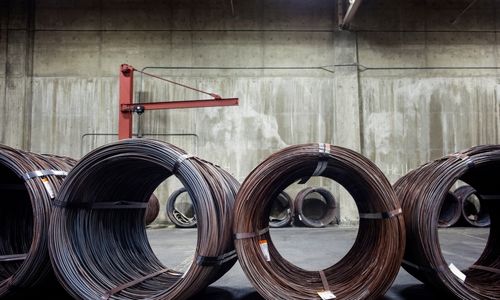
Stainless and mild steel wires pick up heavy oil, metallic fines, and drawing soaps at every stage of production. If these layers are not removed properly, downstream processes like annealing, coating, and forming suffer through poor adhesion, patchy surfaces, and more rework.
Traditional solvent and aggressive acid systems can clean, but they bring their own set of problems: fumes, difficult effluent, corrosion, and high worker exposure.
Regulators and buyers are also looking much harder at how cleaning lines operate. Global chemical and steel outlooks point to stricter rules on emissions, wastewater, and hazardous substances up to 2026 and beyond.
For Indian wire mills that export or supply to automotive and construction OEMs, this means legacy chemistries can quickly become a bottleneck for compliance.
What “Eco‑Friendly” Wire Cleaning Really Means?
Eco‑friendly wire cleaning is not about compromising on performance. It is about using tailored alkaline and organic acid chemistries that remove oil and metal deposits efficiently, yet are easier to handle and safer for people and the environment.
These products are designed to be biodegradable where possible, work effectively at moderate temperatures, and generate less hazardous sludge compared to conventional solvent systems.
In practice, that means three things.
- First, formulations that attack oil and contaminants selectively without attacking the base metal.
- Second, concentrates that work at higher dilution, so the chemical consumed per ton of wire is lower.
- Third, systems that fit into existing tanks, ultrasonic units, and bipolar cleaning setups without requiring massive capex changes
Inline Cleaning: Aquaclean 100 and Safeclean
For inline cleaning before annealing, Elite AquaChem uses a combination of Aquaclean 100 and Safeclean. Aquaclean 100 is an organic acid–based degreasing agent developed specifically for stainless steel wires in the 200, 300, and 400 series. Safeclean complements it as an eco‑friendly solvent‑based sludge remover that targets stubborn residues in hard‑to‑reach areas of the wire.
Together, they are used for cleaning stainless and mild steel wire after drawing, where heavy oil and metallic deposits tend to build up. The recommended practice is to maintain a ratio between 90:10 and 80:20 of Aquaclean 100 to Safeclean, depending on how severe the contamination is.
This controlled blend delivers fast cleaning, keeps sludge under control, and limits chemical consumption by using a high‑activity concentrate.
Final Wire Cleaning and Shine: Ultrox 1750
Once the wire has passed through forming and intermediate cleaning, it still needs a final clean before packing and dispatch.
Ultrox 1750 is designed for this last stage. It is a mild organic acid–based, water‑soluble product that removes light residues while providing an even, bright surface on stainless steel wires.
Ultrox 1750 fits well into bipolar cleaning systems and other final rinse setups. It is typically used at 10 to 20 percent in water, adjusted to match the desired cleaning speed and bath life.
The result is a clean, visually appealing wire surface that helps reduce customer complaints related to rust stains, patchy appearance, or contamination left from upstream stages.
Alkaline Degreasing with Superclean 550
Greasy, heavily soiled wires benefit from alkaline degreasing. Superclean 550 is an alkaline‑based degreasing chemical formulated for stainless steel wires and tough deposits. It is engineered to dissolve oily layers and loosen metallic particles that cling to the surface.
The product is compatible with ultrasonic machines, and one of its advantages is that it delivers excellent cleaning action even without heating the solution. This helps save energy and simplifies operation on lines where temperature control is a challenge.
Superclean 550 is also environmentally safer, being biodegradable and designed not to attack the metallic component when used as directed. The concentration can be adjusted based on contamination level, which adds flexibility for different grades and production schedules.
How an Eco‑Friendly Cleaning Line Can Be Structured?
A typical eco‑focused cleaning sequence for stainless or mild steel wire could be built around three stages. First, an inline degreasing stage using Aquaclean 100 with Safeclean to remove heavy oil, sludge, and embedded fines after drawing. This reduces the load on later steps and prevents baked‑on residues in annealing furnaces.
Second, an alkaline degreasing bath based on Superclean 550, ideally in an ultrasonic unit or with some form of agitation. This stage tackles remaining oil, drawing residues, and metallic particles, and can often run without aggressive heating thanks to the formulation.
Third, a final cleaning and brightening step using Ultrox 1750 at 10 to 20 percent in water to give the wire a clean, uniform finish before packing. Between each step, rinsing with clean water and good drainage design helps extend bath life and cuts contamination drag‑over.
Implementation Best Practices on the Shop Floor
Good chemistry still needs good practices. Start by matching product and concentration to the actual soil load. For new lines or when switching from older chemistries, run small‑scale trials to determine the right Aquaclean 100 and Safeclean ratio, and the optimal Ultrox 1750 and Superclean 550 concentrations for your mix of grades.
Control time and temperature closely. While Superclean 550 can work well even without heating, maintaining a moderate temperature and providing agitation or tumbling for 10 to 15 minutes can significantly improve consistency, especially in heavy‑duty applications.
Keep rinse tanks clean, monitor pH and conductivity, and set up a simple log for bath additions and changes. These basic controls help maintain cleaning performance and prevent surprises in downstream processes.
Environmental and Compliance Advantages
Switching to eco‑oriented products supports compliance with stricter limits on hazardous substances, effluent quality, and worker exposure that are highlighted in recent global chemical and steel industry outlooks.
Because products like Superclean 550 are designed to be environment‑safe and biodegradable, they make it easier to meet discharge norms and reduce the load on effluent treatment plants.
Lower fumes and more stable baths also improve working conditions around cleaning lines. This can reduce the need for heavy‑duty ventilation upgrades and helps with occupational health audits.
For mills that serve export markets, being able to show cleaner chemistry and better environmental performance can support certifications and customer approvals.
Control time and temperature closely. While Superclean 550 can work well even without heating, maintaining a moderate temperature and providing agitation or tumbling for 10 to 15 minutes can significantly improve consistency, especially in heavy‑duty applications.
Keep rinse tanks clean, monitor pH and conductivity, and set up a simple log for bath additions and changes. These basic controls help maintain cleaning performance and prevent surprises in downstream processes.
Operational and Cost Benefits
Eco‑friendly wire cleaning does not have to increase operating cost. High‑activity concentrates, higher dilution ratios, and better bath stability can reduce chemical consumption per ton of wire cleaned.
Products that clean effectively without high temperatures also cut energy use and reduce scale buildup on heaters and tanks.
Cleaner wires mean fewer downstream defects. That translates into lower rework, fewer claims, and less internal sorting. Over time, mills can see improved throughput on coating or drawing lines because there are fewer stoppages for surface‑related issues. These are tangible gains that go beyond the “green” label and link directly to plant profitability.
Choosing the Right Partner - Elite Aquachem
Getting the chemistry right is only part of the story. A technical partner that understands wire drawing, annealing, galvanizing, and finishing can help you design a cleaning sequence tailored to your grades, line speeds, and quality targets. Elite AquaChem’s range for stainless steel wire industries has been shaped around real‑world conditions in Indian plants, from heavy contamination after drawing to the final finish before dispatch.
By leveraging products like Aquaclean 100, Safeclean, Superclean 550, and Ultrox 1750 in a structured process, wire manufacturers can move to eco‑friendly cleaning without disruption. The result is cleaner wire, simpler compliance, and a more sustainable operation that is prepared for the next wave of industry expectations.